Welcome!
We love working with community organisations that share our passion for supporting children’s wellbeing. If you’re interested in partnering with Regulation Station to deliver meaningful, engaging experiences for children and families, we’d love to hear from you!
What Our Workshops Look Like
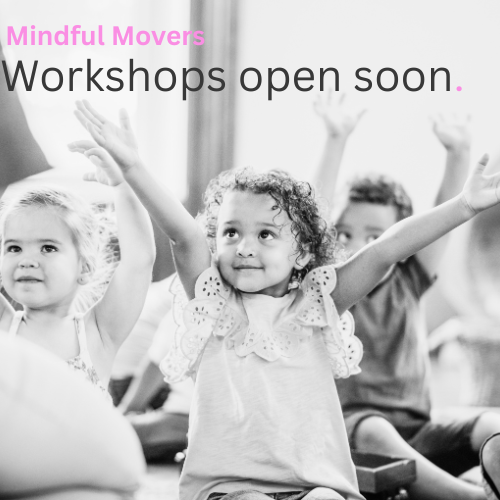
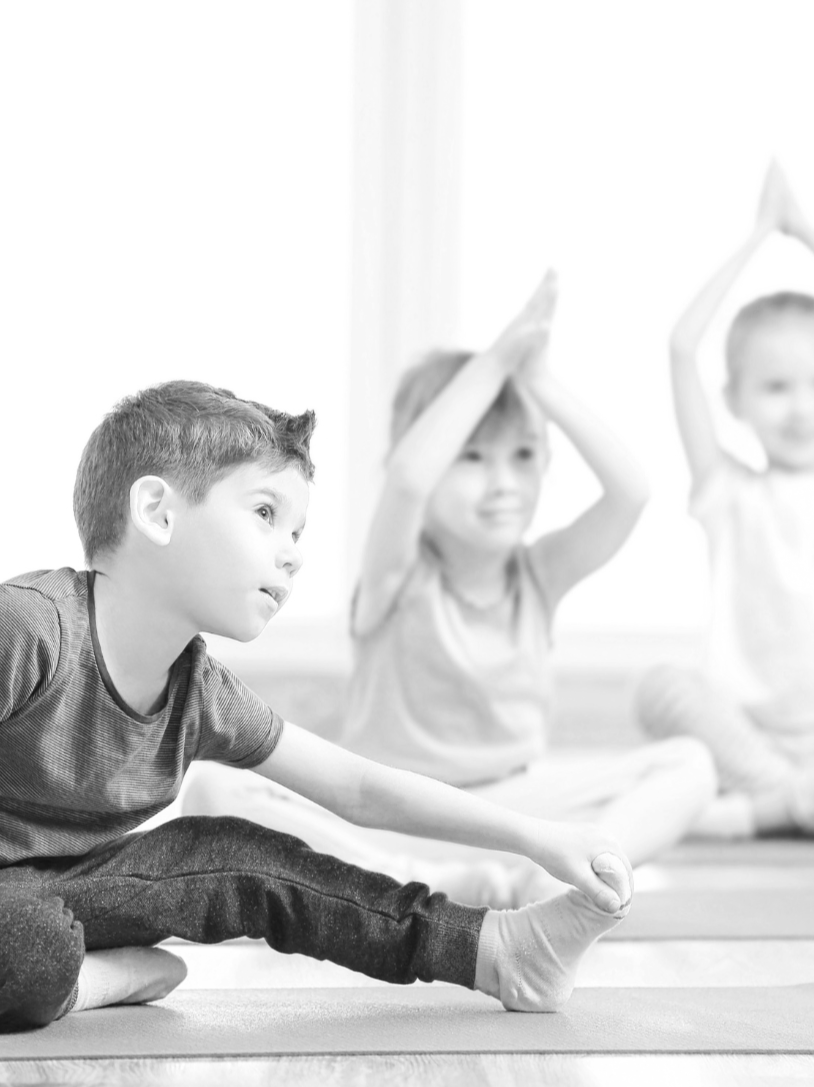
Our workshops are playful, gentle, and developmentally appropriate.
We use a combination of:
Movement-based activities
Mindfulness and breathing exercises
Storytelling and imagination
Simple, practical regulation tools
Everything is designed to feel like play, while building real, lasting skills.
What Children Will Gain
Through our sessions, children begin to develop:
Strong emotional regulation skills
Greater school readiness, including listening and transitions
Improved confidence and resilience
Positive social skills and peer relationships
Simple strategies to calm their body and mind
These are foundational skills that support not only their early learning experience, but their long-term wellbeing.
“A gradient of childhood self-control predicts health, wealth, and public safety”.
- Terrie Moffit

Evidence and Research
At the heart of our work is a strong foundation in evidence-based practice, grounded in decades of developmental research.
Findings from the landmark Dunedin Multidisciplinary Health and Development Study — one of the world’s most comprehensive longitudinal studies — demonstrate that early self-regulation skills are a powerful predictor of lifelong outcomes. Children’s ability to manage emotions, attention, and behaviour in early childhood has been linked to their future health, financial stability, and involvement with the justice system.
Importantly, this research highlights that these outcomes follow a gradient across the whole population. This means that even small improvements in children’s self-regulation can lead to meaningful, long-term benefits — not just for individuals, but for entire communities.
In their widely cited paper, A gradient of childhood self-control predicts health, wealth, and public safety, researchers conclude:
“Interventions that improve children’s self-control have the potential to reduce societal costs, save taxpayers money, and promote prosperity.”
Crucially, these findings are independent of Intelligent Quotient (IQ) and socioeconomic status (SES), reinforcing that supporting children’s emotional development early is one of the most effective ways to create lasting, equitable change.
By embedding self-regulation and wellbeing skills into early learning environments, we are not only supporting children in the present — we are contributing to healthier, safer, and more resilient communities for the future.
A Gentle, Child-Centered Approach
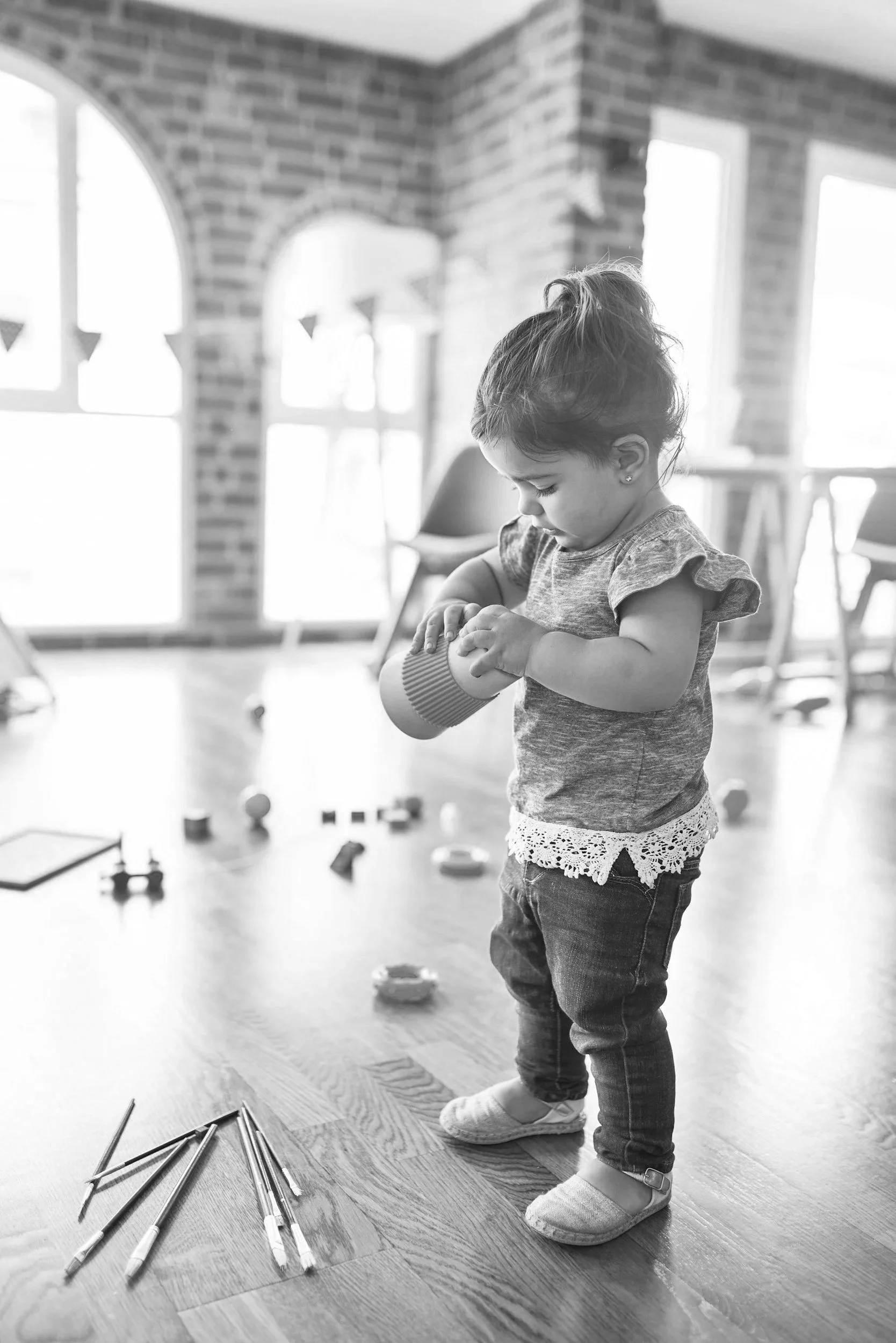
We understand that every child is different and we want each child to feel a sense of belonging in our workshops.
We create a supportive environment where children can engage at their own pace and feel safe exploring new skills. Children are always encouraged — never pressured — to participate.
Get in Touch.
Whether you have a question, an idea, or just want to say hello, feel free to reach out—we’re here to help.
Use the form below to drop us a message, and we’ll get back to you as soon as we can.
Ashleigh & Laura
Hours
Thursday | Friday
8am–4:30pm
Phone
0468 045 550
Let’s Get Started
On the gram.