
Welcome!
We know how overwhelming it can feel when your child is experiencing big emotions — and how much you want to support them in a calm, confident way.
At Regulation Station, our workshops are designed to gently help children aged 3–5 build the skills they need to understand and manage their emotions — in ways that feel safe, engaging, and enjoyable.
We visit early learning centers to run fun and engaging workshops that help children build emotional regulation skills.
What Your Child Will Gain
Through our sessions, children begin to develop:
Strong emotional regulation skills
Greater school readiness, including listening and transitions
Improved confidence and resilience
Positive social skills and peer relationships
Simple strategies to calm their body and mind
These are foundational skills that support not only their early learning experience, but their long-term wellbeing.
What Our Workshops Look Like
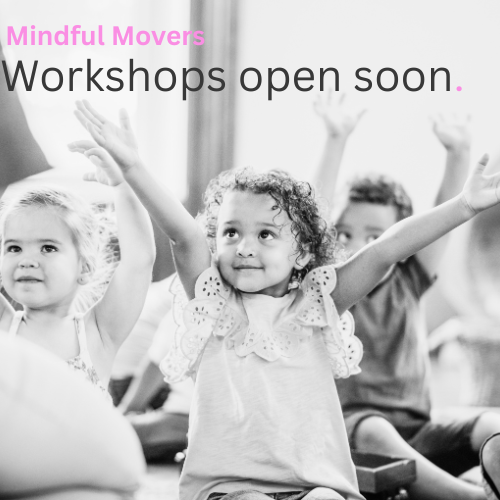
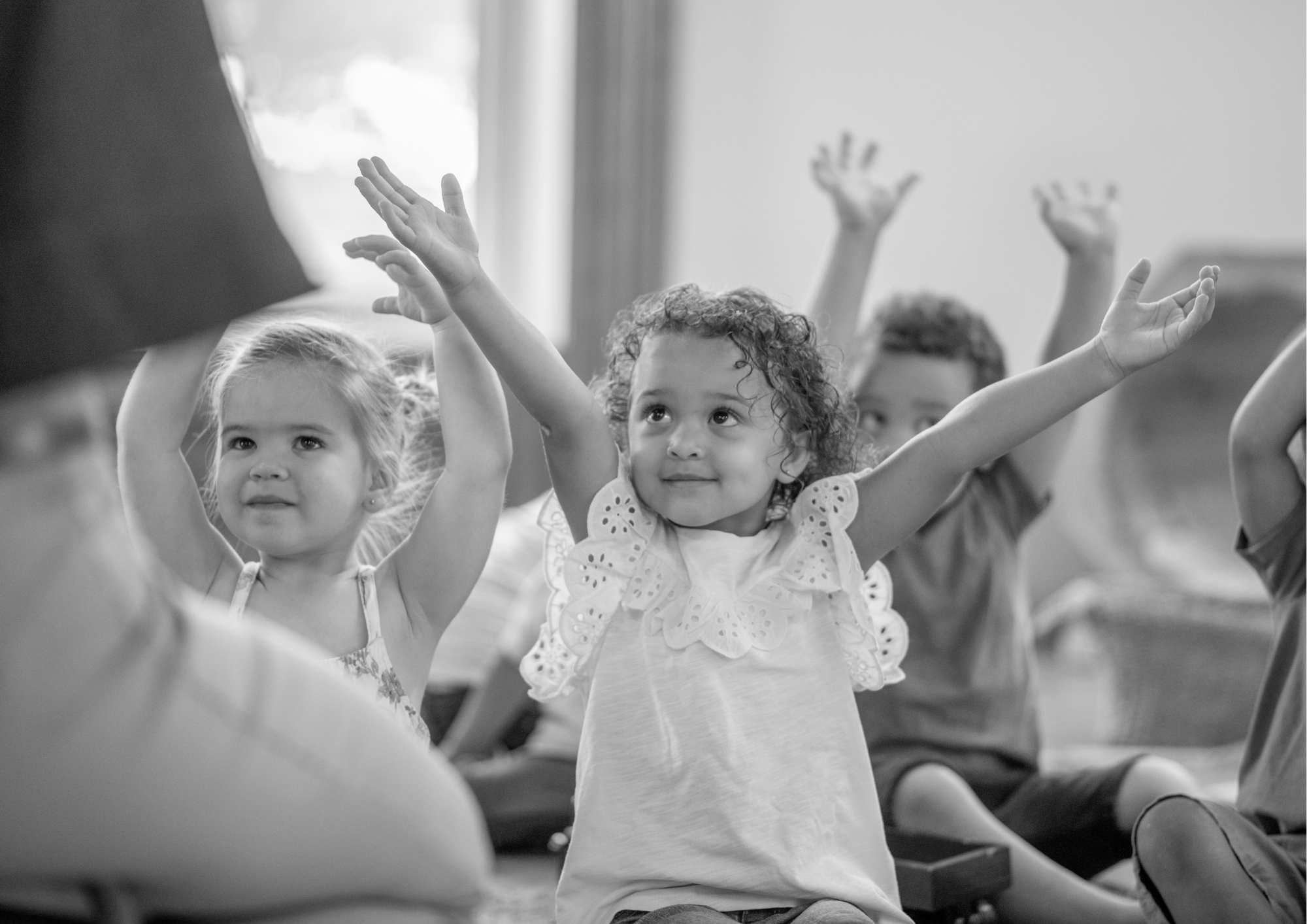
Our workshops are playful, gentle, and developmentally appropriate.
We use a combination of:
Movement-based activities
Mindfulness and breathing exercises
Storytelling and imagination
Simple, practical regulation tools
Everything is designed to feel like play, while building real, lasting skills.
A Gentle, Child-Centered Approach
We understand that every child is different and we want each child to feel a sense of belonging in our workshops.
We create a supportive environment where children can engage at their own pace and feel safe exploring new skills. Children are always encouraged — never pressured — to participate.
Frequently Asked Questions
-
This is one of the most common questions we hear — and it’s completely understandable.
Emotional regulation is a skill that develops over time. Our workshops introduce simple, effective strategies that children can begin to recognise and use, both in the classroom and at home.
Many parents and educators notice:
Children beginning to name their feelings
Improved ability to calm after becoming upset
Greater confidence in navigating social situations
Small shifts can make a big difference.
-
Regulation Station was created by a psychologist and an early childhood teacher, combining expertise in emotional development, child behaviour, and real-world classroom experience.
This means your child is supported with approaches that are both evidence-informed and practical.
Your workshops will be delivered by either Laura or Ashleigh.
-
Workshops are typically delivered within early learning centres or group settings, with educators present to support children.
-
That’s completely okay. We use gentle, engaging approaches and allow children to participate in a way that feels comfortable for them.
-
Yes — our sessions are designed to support a wide range of emotional needs and developmental stages within the 3–5 age group.
Let’s Get Started

Get in Touch.
If you're interested in working with us or have any enquiry, please complete the contact form and we’ll be in touch.
Key links to the Early Years Learning Framework and the National Quality Framework
Our workshops align with the Early Years Learning Framework (EYLF) and National Quality Framework (NQF), supporting easy integration into your center’s curriculum.
EYLF Outcome 1 – Children have a strong sense of identity
Regulation Station helps children build confidence and resilience by learning to recognize and understand their emotions.
EYLF Outcome 3 – Children have a strong sense of wellbeing
Our workshops support children to develop practical self-regulation strategies that promote emotional wellbeing.
EYLF Outcome 5 – Children are effective communicators
Children learn language and tools to express their feelings, needs and ideas in positive and respectful ways.
NQF Quality Area 1 – Educational Program and Practice
Regulation Station complements play-based learning through intentional experiences that support children’s social and emotional development.
NQF Quality Area 2 – Children’s Health and Safety
Regulation Station supports children’s emotional wellbeing by helping them recognise, understand and manage big feelings through practical regulation strategies.
NQF Quality Area 5 – Relationships with Children
Our workshops promote empathy, respectful interactions and positive behavior guidance while helping children navigate social situations.
On the gram.